Muang Rae Geyser, Pai
The roadside well that started flowing years after it was abandoned
Written by Nolo Hub Pai, Pai’s top social and experience-based hostel
Last checked September 2026
tl;dr
On Highway 1265 south of Pai, a fenced wellhead stands beside the road at Ban Mueang Rae. When it is flowing, hot water rises from a pipe drilled into the ground decades ago.
Also known as: Mueang Rae Geyser · Muang Rae · Muang Rae Hot Spring · Ban Mueang Rae · บ้านเหมืองแร่
Before you go
- Location
- Ban Mueang Rae, Mueang Paeng Subdistrict, beside Highway 1265
- From Nolo Hub
- 20 km, around 30–40 minutes
- Getting there
- from Pai, take Highway 1095 towards Chiang Mai, then turn onto Highway 1265 towards Mueang Paeng and Wat Chan
- Entry
- free
- What to expect
- a brief roadside viewing stop, not a developed hot spring or bathing site
- Water
- measured at around 94–98°C when flowing
- Safety
- stay outside the barrier and follow any signs or local instructions
- Underfoot
- ground beside the hot water can be scalding mud that looks like dry earth
- Map
- Google Maps · Apple Maps
The well has stopped flowing before, so ask about current conditions if seeing the water is the main reason for your trip.
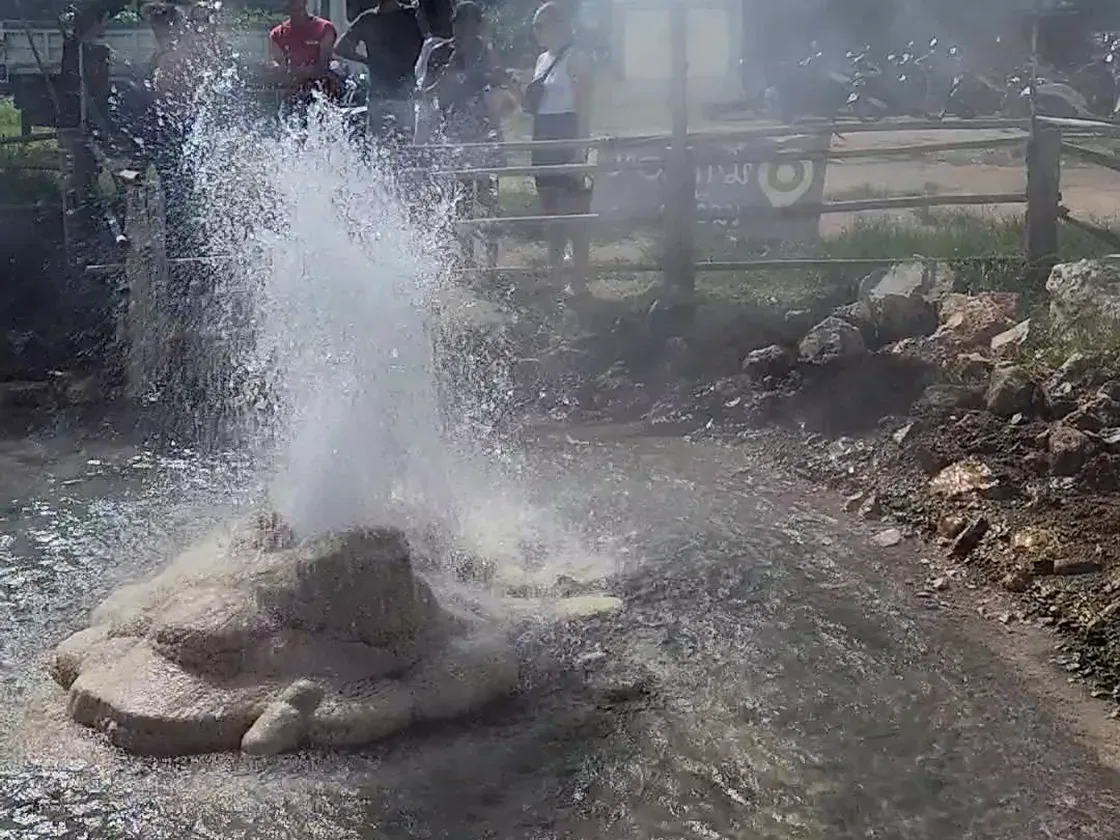
It is often called the Mueang Rae Geyser, although it is more accurately a flowing geothermal well. There is no bathing pool here. It is a short stop where the story beneath the ground is more surprising than the structure beside the road.
The well was drilled in the 1990s during a search for geothermal energy. It produced no useful flow at the time, and the project was abandoned. Then, in 2013, the well began flowing on its own.
The well that surprised everyone
In the early 1990s, the Electricity Generating Authority of Thailand investigated the geothermal area around Mueang Rae. Hot water was already seeping naturally into the nearby Pai River, suggesting that more lay beneath the surface.
Surveys led to three exploration wells drilled in 1995. None produced the sustained flow needed for the electricity project, and the work stopped.
One of those wells is the one beside the road.
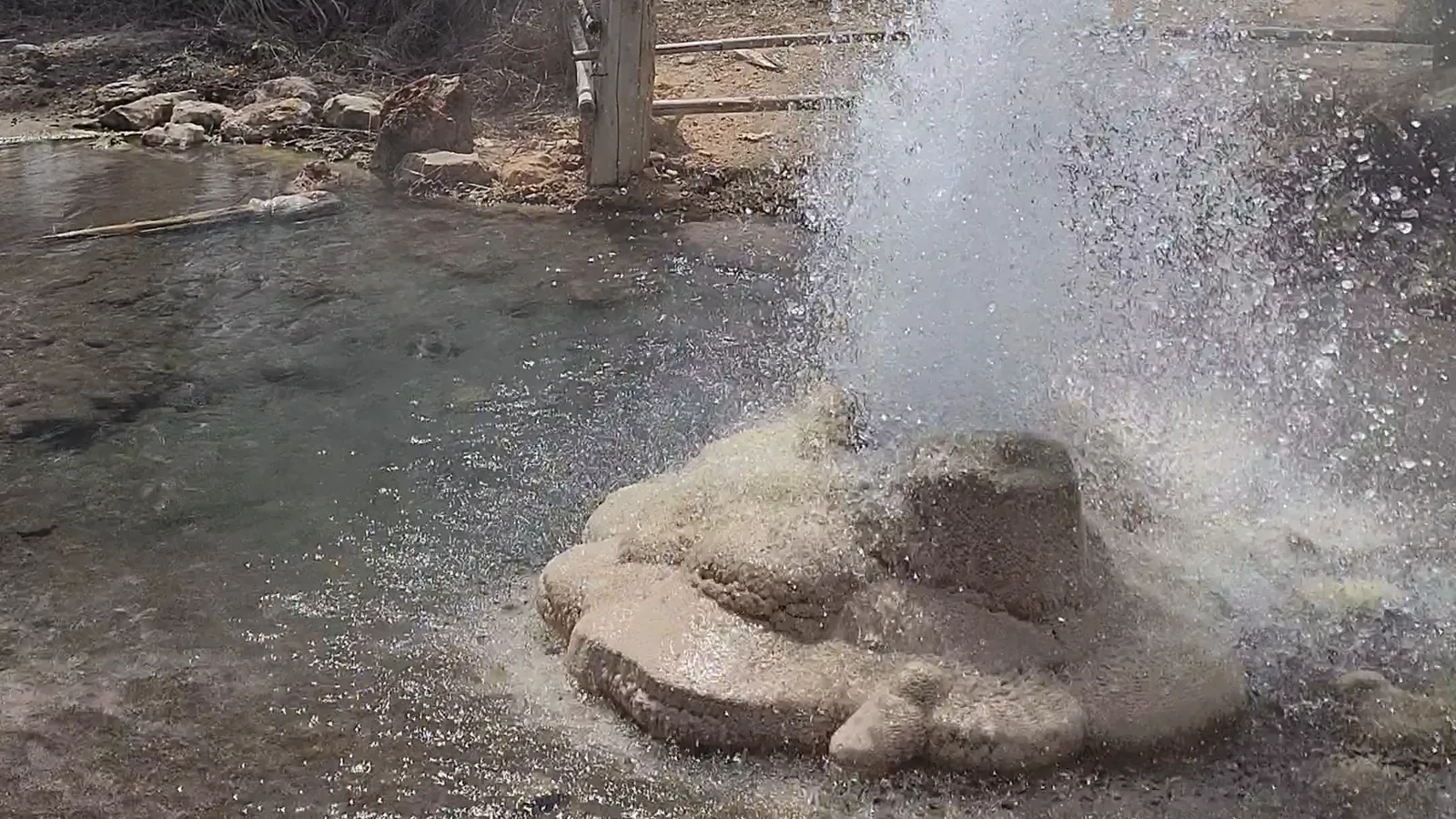
For around 18 years, it remained quiet. Then, at about four in the afternoon on 22 August 2013, farmers in the nearby soybean fields heard what sounded like cracking underground, and the well blew through its casing in a column of hot water about 1.5 metres high.
When researchers measured it in 2014, water was emerging at 96.9°C, at a rate of nearly ten litres per second. The well is over a hundred metres deep. The change drew scientists back to a site they had previously set aside.
How does a well written off as dry start flowing on its own? Cool water sitting in the top of a borehole is heavy enough to hold the hot water beneath it down. Take that weight away and the hole flows. When researchers pumped the cold water out, the water level rose rather than fell. What set this well off in 2013 is not known.
Then it stopped again
The well’s behaviour changed once more in 2025.
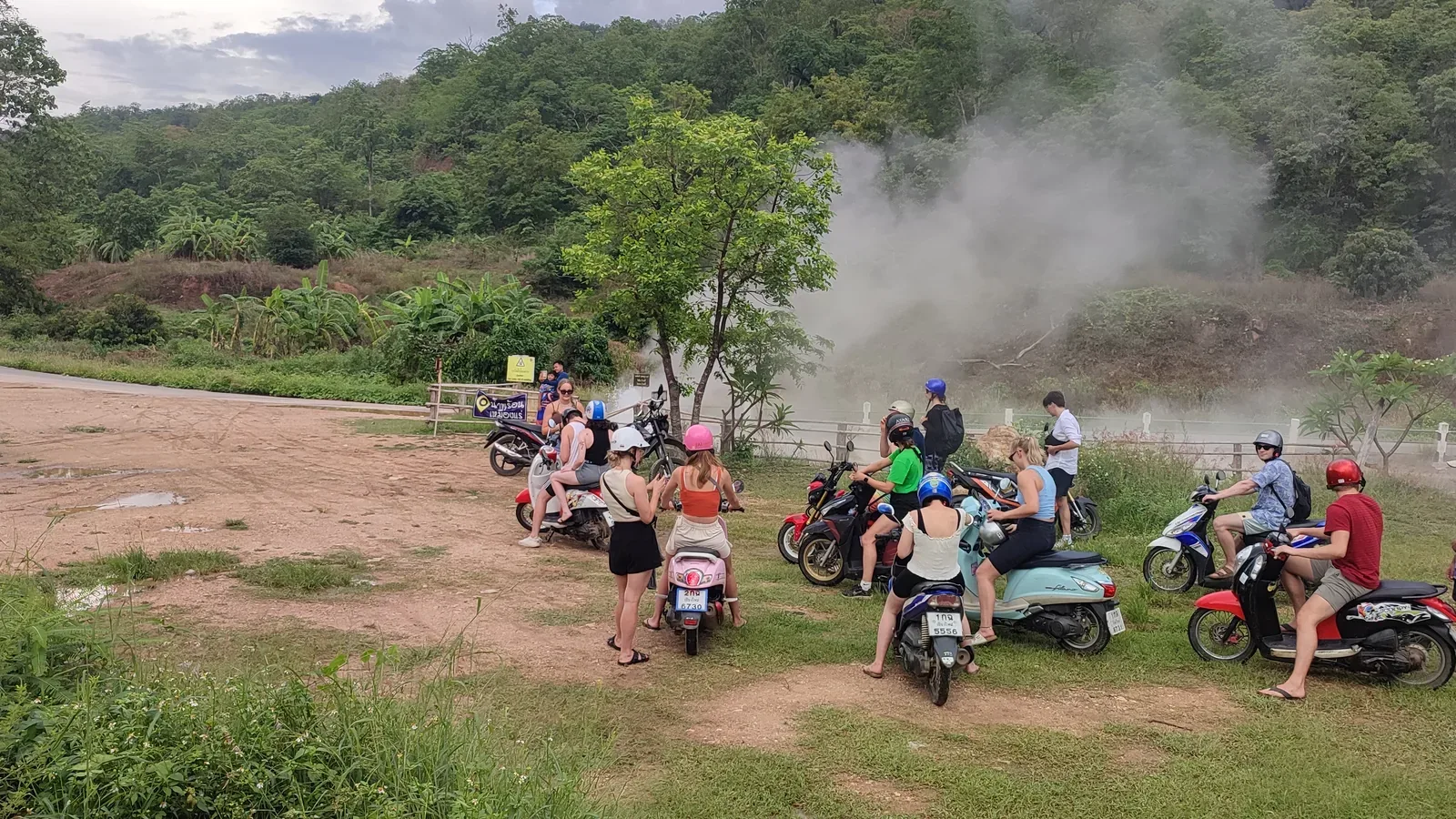
After the major earthquake in Myanmar on 28 March, the flow at Mueang Rae stopped. It remained dry for roughly 75 days. Locals believed it had finished for good, and regional newspapers wondered whether it would become a legend. Then, at about six on the morning of 12 June, it came back, boiling, with bursts of steam and sediment thrown up out of the hole. It was running when we last checked, in September 2026.
The timing attracted attention, but it does not tell us exactly what happened underground. The earthquake and the loss of flow were observed; the mechanism connecting them has not been established.
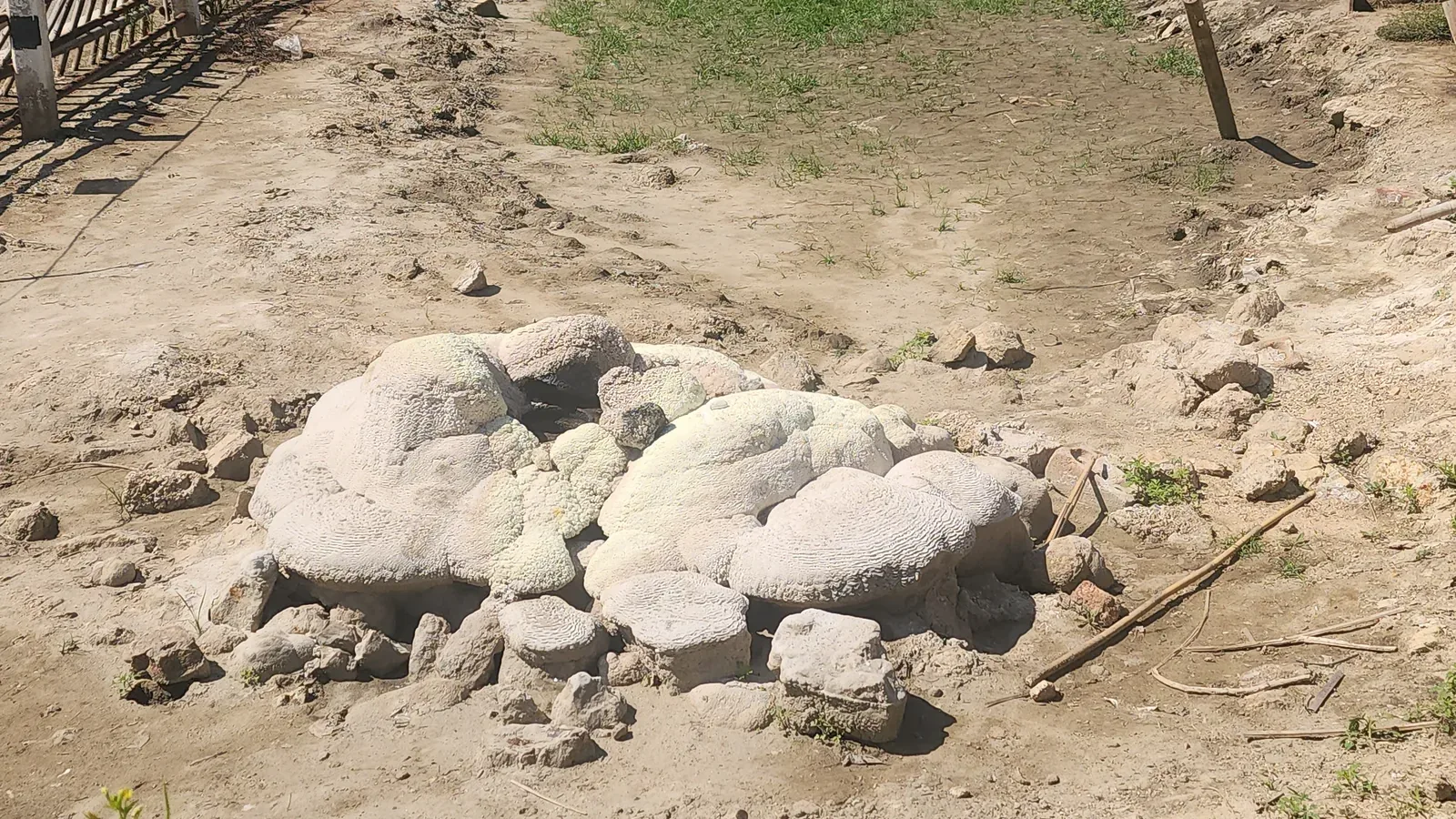
That interruption is part of what makes the stop interesting. The well can look like a permanent fixture when water is rising from it, yet its visible flow has changed dramatically within living memory.
The hot water beneath the road
The well is only one opening into a larger geothermal system.
Groundwater moves through fractures in the granite beneath Mueang Rae. It is heated at depth and rises where the rock gives it a path. The drilled well provides one route to the surface, but hot water also emerges naturally nearby.
Researchers mapped hot seeps along roughly 600 metres of the sandy Pai River bed, south of the well. One seep measured about 94.5°C. Much of that activity would be easy to miss from the road, but it shows that the hot water did not begin with the drilling.
The riverbed is not a place to test the water with your feet. Hot water can rise through sand that looks ordinary from above. The same goes for the ground beside the well: next to water this hot, what looks like dry earth can be mud with scalding water running through it. It is easy to step onto while looking at a camera, so watch where you put your feet.
Why “Mueang Rae”?
The name can be confusing in English because two different Thai words are often written in similar ways.
Mueang Paeng is เมืองแปง, the name of the subdistrict. Mueang Rae is เหมืองแร่: mueang here means mine, and rae refers to ore or minerals. Ban Mueang Rae is, in that sense, a mining village.
Before the mine, the place had another name: Pong Nam Ron (โป่งน้ำร้อน), after the hot seeps. Pong means a mineral lick or seep, the same word as in Pong Duet. It was named for the springs, renamed for the mine, and is known for a spring again.
Long before any drilling, hot water seeped gently up through the creek bed, and Karen villagers used it in three ways: as a hunting hide, because animals came to the mineral-rich water; for washing working elephants and pack horses; and for soaking harvested bamboo strips, to leach out the starch and keep boring beetles away.
Just north of the well is a former fluorite mine. The mine and the hot water are the same feature at different times. One fault has carried hot fluid through this spot three times: first the quartz veins, then the fluorite veins that were mined, and now the hot water. The mine’s west wall is the fault itself, with vertical grooves running down it.
The mine also made the road: the haul track cut to move the ore became Highway 1265. Fluorite, used in steelmaking and to make hydrofluoric acid, was mined here most heavily from the early 1980s to the late 1990s, until the reserves near the surface ran low and cheaper fluorite arrived from China. The mine has been inactive since 2012.
You do not need a geology lesson to enjoy the stop. But knowing about the mine and the natural seeps makes the fenced pipe beside the highway easier to understand.
Is it worth stopping by?
If you are travelling along Highway 1265, yes. Pull over safely, view the well from outside the barrier, and give it a few minutes. People cook eggs in the runoff.
Do not come expecting a spa, or assume the water will be flowing exactly as it was in someone else’s photograph. Come for an unusual piece of Pai’s landscape: a well drilled for an energy project, left behind, and later brought to life by hot groundwater moving through the rock beneath it.
What you see at the roadside may change. That is part of the story.